Back to Blog
ArticlesFebruary 10, 2026· Todd Kennedy

Roof Decking: Different Types & Proper Installation Steps

When it comes to the health of your roof, what lies beneath your shingles is just as important as the materials you see. Your roof decking forms the foundation of your entire roofing system, playing a major role in structural support, moisture protection, and long-term durability. Whether you’re replacing an aging roof or building a new home, it’s worth learning how this layer works and why it matters. If you’re already exploring materials or installation options, be sure to review how your roof is structured from the deck up.

Here’s what you’ll learn in this guide:

  • Why roof decking matters and what it does
  • The main types of decking materials used today
  • Step-by-step installation details from the pros
  • What Clayton, NC homeowners should know about local roofing needs
  • How to tell when your decking needs replacement

Why Roof Decking Is the Backbone of Your Roof

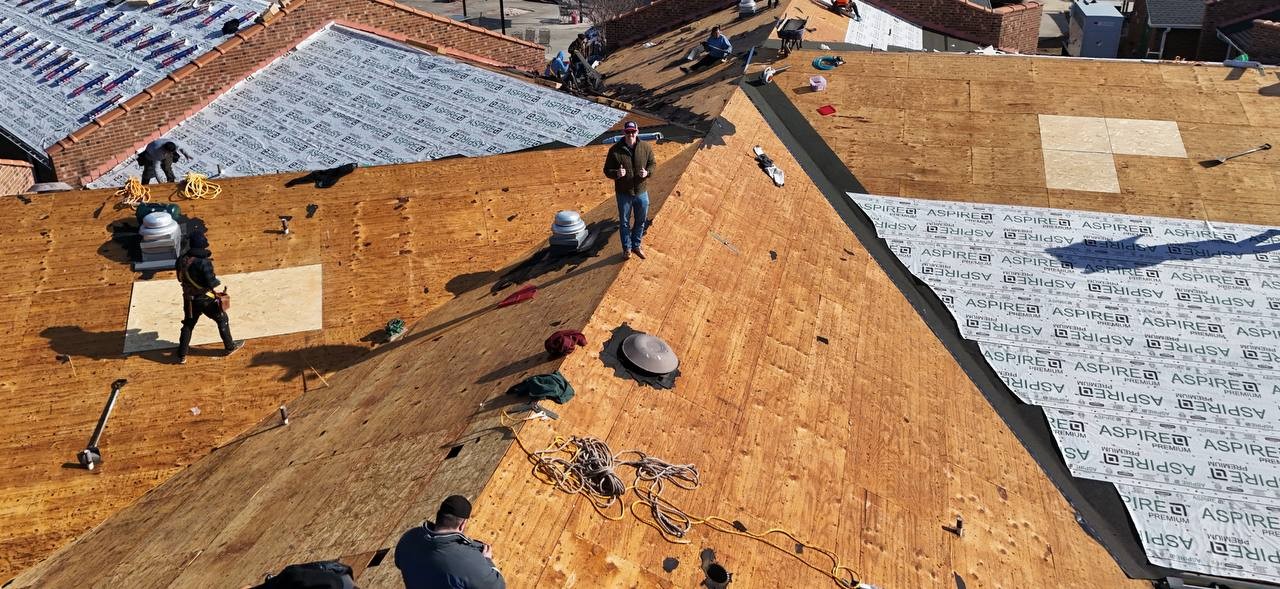
Roofing construction on the stage of roofing underlayment installation on the roof deck, roof sheathing.

Roof decking, sometimes called sheathing, sits directly under your shingles and above your attic or insulation layer. It may not be visible, but it’s one of the most critical components in a safe, reliable roofing system.

  • Structural Support: Decking ties your rafters or trusses together and provides a flat, stable surface for installing shingles, underlayment, and flashing.
  • Water Damage Prevention: It acts as a second barrier, helping to keep moisture and wind-driven rain out if shingles are compromised.
  • Attachment Point for Materials: Shingles, nails, and underlayment must adhere to a strong, level surface—decking ensures this.
  • Fire and Wind Ratings: The quality of decking impacts how your roof holds up to high winds, fire exposure, or code requirements in your area.
  • Energy Efficiency: Properly installed decking can reduce heat transfer into your attic and help with ventilation pathways.

Without solid roof decking, even the best roofing materials will fail prematurely. That’s why every roofing project should start by inspecting this hidden layer.

6 Key Steps in Proper Roof Decking Installation

Installing or replacing roof decking is a precise process that affects every other layer of the roofing system. Here’s how professionals like K&D Roofing approach the job—especially for homes in Clayton, NC and surrounding areas.

1. Remove Existing Shingles and Underlayment

The first step is to fully strip away the roofing materials down to the bare deck.

  • All shingles, nails, felt paper, and flashing are removed
  • The surface is cleaned for a clear view of wood condition
  • Any rotted or warped sections are identified

This is when many homeowners first learn their decking is damaged—signs like sagging, mold, or soft spots may have been hidden until tear-off.

2. Inspect the Existing Deck

Next, your roofer will inspect the decking to determine if full or partial replacement is needed.

  • Plywood with moisture stains or spongy feel must be replaced
  • Roofers check for black mold, mildew, or animal damage
  • Gaps between panels are reviewed for proper spacing and support

Local codes in Clayton and surrounding areas often require decking to meet specific thickness and fastening guidelines, which your contractor will verify.

3. Replace or Add New Decking Panels

If the deck needs full replacement, new panels are installed according to modern standards.

  • Most homes use 7/16” OSB or plywood sheets
  • Boards are staggered and fastened to rafters using nails or screws
  • Gaps of 1/8″ are left between panels to allow for expansion

In some older homes, tongue-and-groove decking or spaced sheathing may be upgraded to continuous solid decking for better shingle support.

4. Secure Decking with Proper Fasteners

The right fasteners—and correct spacing—are essential for structural integrity.

  • Fasteners are placed every 6″ on edges and 12″ in the field
  • Code-compliant ring shank nails or screws are typically used
  • Decking must lie flat without gaps, waves, or protrusions

Loose fasteners or warping will lead to roof buckling and nail pops down the road, so quality matters here.

5. Install Drip Edge and Underlayment

Once decking is complete, your roofer adds protective barriers before shingles go on.

  • Drip edge metal is installed at eaves and rakes to prevent water intrusion
  • Synthetic underlayment or ice-and-water shield is rolled out over the deck
  • Valleys and eaves get extra protection in areas prone to water collection

These layers depend on solid decking underneath for adhesion and effectiveness.

6. Final Check Before Shingle Installation

Before moving forward, a final inspection ensures everything is sealed, fastened, and flat.

  • Roofers walk the deck to check for soft spots or bounce
  • Fastener heads are checked for overdriving or backing out
  • All seams and transitions are sealed or flashed properly

Now the decking is ready to handle decades of roofing protection with shingles installed on top.

Common Types of Roof Decking Materials

roof decking House with new roof being installed after hail damage

Different homes and budgets call for different decking options. Here are the most common types used in residential roofing:

  • OSB (Oriented Strand Board): Cost-effective and widely used, OSB is made from compressed wood strands and resins. It resists splitting and is standard for most modern homes.
  • Plywood: Slightly more expensive, plywood is strong, moisture-resistant, and often used in higher-end installations. It holds up well in humid climates like Clayton, NC.
  • Tongue-and-Groove Boards: Found in older homes, these solid wood boards interlock but are often replaced with modern panels during re-roofing.
  • Plank Decking: Wide wood planks were once common but may require overlay with new sheathing to meet today’s roofing standards.
  • Metal or Cementitious Panels: Rare in residential settings, these are typically used in commercial or specialty roofing applications.

Your roofing contractor will recommend the best type based on your budget, roof pitch, local codes, and long-term goals.

Signs Your Roof Decking Needs Replacement

Sometimes decking damage is obvious. Other times, it’s hidden until a full tear-off. Here’s what to watch for:

Visual and Structural Clues

  • Sagging or uneven rooflines
  • Ceiling leaks or stains inside your home
  • Mold, mildew, or musty odors in the attic

During a Roof Replacement

  • Shingle buckling or soft walking areas during inspection
  • Nails popping up through shingles from below
  • Crumbling or delaminating wood after shingle removal

Seasonal Warning Signs

  • Snow melting unevenly (indicates poor insulation or ventilation)
  • Heat escaping through the roof in winter
  • High humidity or trapped moisture in your attic

These are all signs that your decking may be compromised and need replacement for your new roof to last.

Local Factors for Homeowners in Clayton, NC

roof decking Preparing the roof deck for OSB installation. Cutting OSB sheets for roof. roofing. Roof deck for installation. Roof frame for beam installation. Male roofer carpenter working on roofs structure

The climate in Clayton, NC and surrounding areas presents a few challenges that make roof decking especially important:

  • Humidity and Rain: Frequent storms and high humidity levels increase the risk of moisture intrusion. This means rot-resistant decking materials are a must.
  • Storm Damage: Hail and wind events are not uncommon. Homes in this area benefit from thicker sheathing and reinforced nailing patterns.
  • Building Codes: Wake County has specific roofing standards for decking thickness, fire resistance, and fastener types, which must be met during installation or re-roofing.

Choosing a local roofer familiar with Clayton’s codes and weather patterns can ensure your decking holds up for decades—not just a few seasons.

Final Thoughts + Get the Right Start with K&D Roofing

When planning a new roof, never overlook the condition or quality of your decking. It’s the platform that holds everything together, supports your shingles, and protects your home’s interior. With proper inspection, materials, and installation techniques, your roof decking can support decades of reliable protection and energy efficiency.

If you’re considering a roof replacement or just want to understand what’s under your shingles, contact us today for a full roofing inspection and expert guidance. K&D Roofing is proud to serve homeowners in Clayton, NC and surrounding areas with roofing systems that start strong from the deck up.

Have a Roofing Question?

Call the K&D team for expert answers — no pressure, no sales pitch.

Your Roof Won't Fix Itself.

No pressure. No gimmicks. Just honest roofing from a local company that's been here since 2017.

1

Call or Schedule Online

2

Free Roof Inspection

3

Detailed Estimate in 24hr

4

We Build Your Roof

5

You Sleep Better