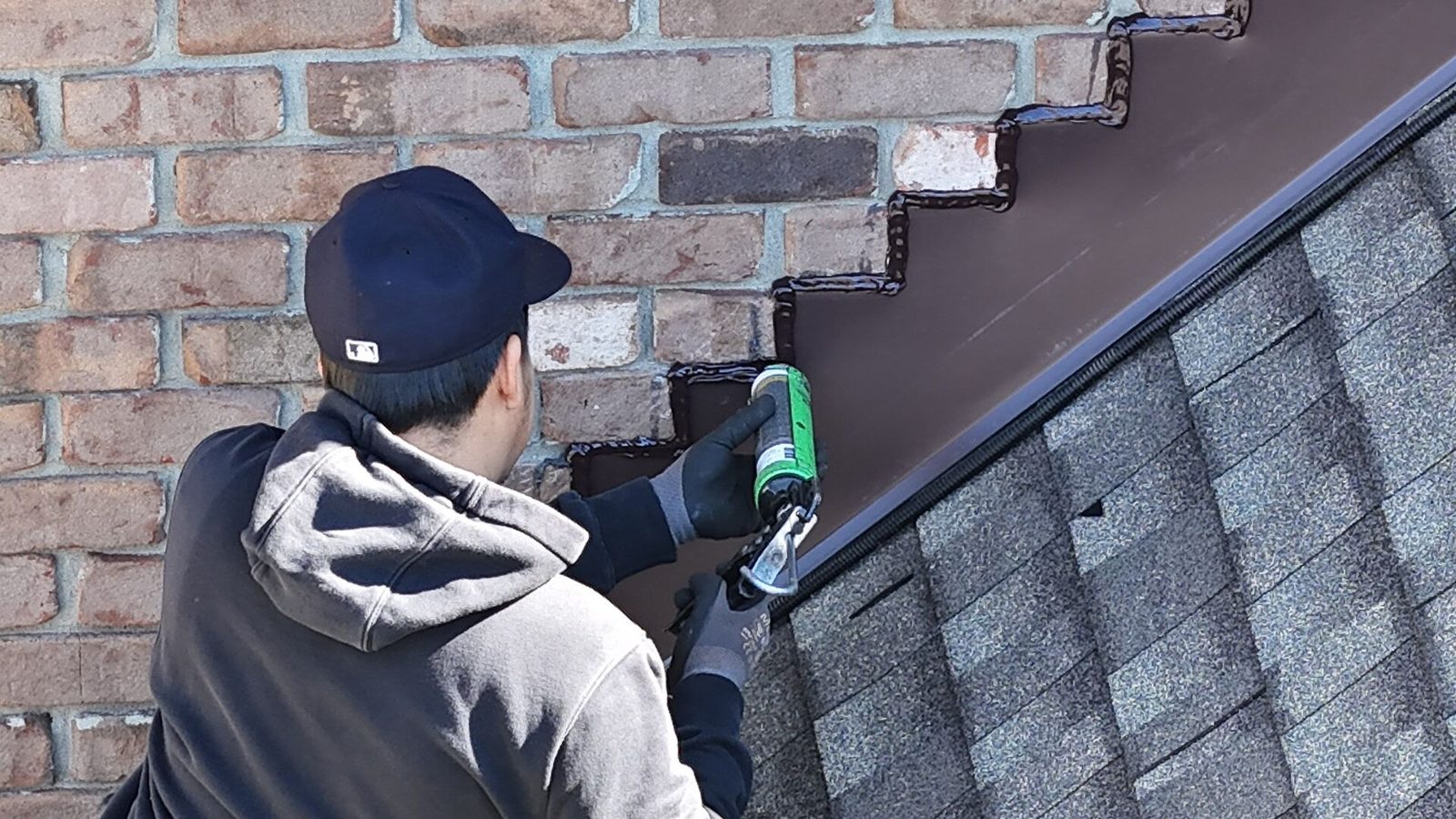
Discovering a roof leak early can save you from costly repairs and extensive water damage. Knowing how to find a roof leak is an essential skill for any homeowner. Whether it's a minor drip or a persistent problem, identifying the source promptly is key to maintaining a safe and dry home.
Why Finding a Roof Leak Quickly Matters
- Protects your home: Early detection prevents water damage that can undermine structural integrity.
- Saves money: Fixing small leaks is much less expensive than repairing widespread rot or mold.
- Preserves indoor air quality: Prevents mold and mildew growth.
- Improves energy efficiency: Stops damp insulation from reducing your home's thermal performance.
- Ensures safety: Avoid slips, electrical hazards, or collapsed ceilings.
5 Step Guide: How to Find a Roof Leak
1. Inspect Your Attic for Moisture and Water Stains
- Water stains or discoloration on wood beams or insulation
- Damp or wet insulation materials
- Mold or mildew growth, musty odors
2. Examine the Roof Surface for Visible Damage
- Missing or damaged shingles
- Loose or cracked flashing around chimneys, vents, or skylights
- Broken or worn areas around roof valleys
3. Perform a Water Test During Dry Weather
Have someone stay inside while you spray water on roof sections, starting near where indoor leaks were detected. Move systematically across the roof.
4. Inspect Flashings and Roof Penetrations
- Gaps or cracks in sealant or metal flashing
- Loose nails or fasteners
- Rust or corrosion on metal components
5. Check Gutters and Downspouts
- Clogged or sagging gutters causing overflow
- Detached or damaged downspouts directing water against the house
Essential Tools
- Flashlight: For inspecting dark attics
- Binoculars: Safely examine the roof from the ground
- Moisture meter: Detects moisture behind walls
- Garden hose: For water testing
When to Call a Professional
- Leaks persist despite your inspection and minor repairs
- The roof is steep, large, or difficult to access safely
- Visible structural damage or extensive water stains
- Mold or mildew has developed extensively
If you suspect storm-related damage or need expert roof repair services, contact us today to schedule an evaluation.