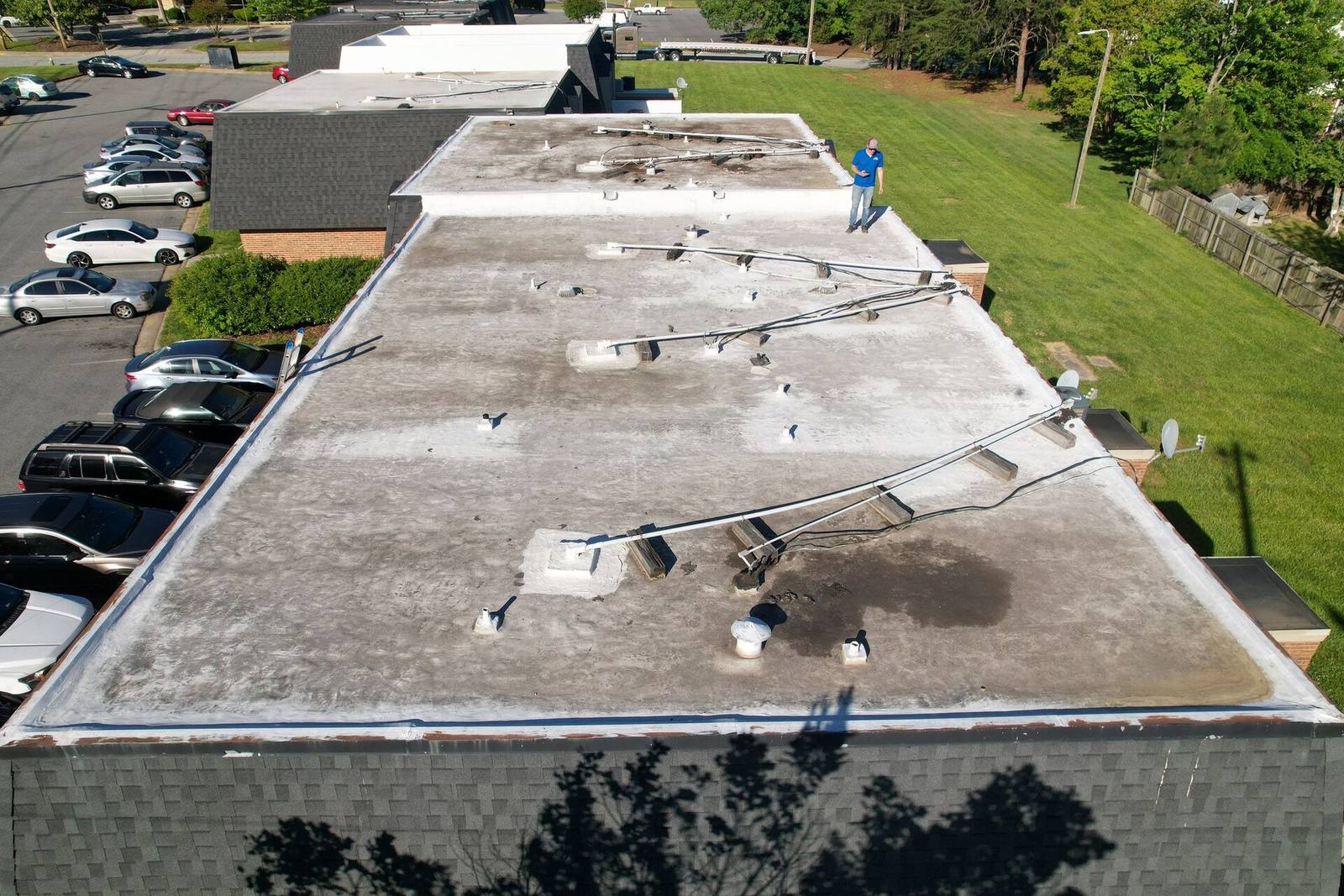
Every business owner knows how important a strong, watertight roof is for protecting property and keeping operations running smoothly. But when leaks begin to form, the clock starts ticking. Even a small amount of water can lead to expensive repairs, safety hazards, and unexpected downtime. That's why understanding commercial roof leak repair is so critical.
By identifying early warning signs and acting quickly, you can prevent extensive damage and keep your roof performing as it should. If your facility in the Raleigh-Durham area has started showing signs of moisture intrusion, it's worth learning how professionals handle these issues from start to finish.
Why Roof Leaks Demand Fast Attention
When water makes its way into a commercial building, it doesn't stop at the ceiling. It travels, spreads, and compromises structural materials that were never meant to handle moisture.
- Protects Structural Integrity: Leaks weaken insulation, decking, and support beams over time, making repairs more complex and expensive.
- Reduces Safety Risks: Wet surfaces can lead to slips, electrical hazards, or even mold exposure that threatens employee health.
- Minimizes Operational Downtime: Water damage can force sections of your building to close temporarily, halting productivity.
- Preserves Energy Efficiency: Wet insulation loses its ability to regulate temperature, which increases heating and cooling costs.
- Extends Roof Lifespan: Addressing leaks early helps prevent the need for a full replacement before it's actually necessary.
6 Steps to Stop Commercial Roof Leaks Before They Spread
1. Locate the Source of the Leak
The first step is finding where the water is getting in. Unfortunately, the visible signs—like water stains or dripping ceilings—don't always show the true origin of the leak.
Professional roofers use:
- Infrared scans to detect moisture beneath the surface
- Core sampling to test insulation and roof layers
- Visual inspections after rainfall to identify weak seams or cracks
2. Clear Debris and Surface Water
Leaves, dirt, and pooling water can hide problem areas and make it difficult to assess the extent of damage.
- Remove branches, leaves, and buildup from drains and gutters
- Check for clogged scuppers or downspouts
- Sweep off gravel or loose materials on flat roofs
3. Identify Damaged Materials
Once the roof is clear, technicians can pinpoint which materials have been compromised:
- The roof membrane for splits or blisters
- Flashing and seams around vents and HVAC units
- Insulation for signs of moisture infiltration
4. Seal and Reinforce Vulnerable Areas
Depending on the roof type—TPO, EPDM, modified bitumen, or metal—the approach will differ slightly.
Typical repair methods include:
- Applying high-performance sealants to cracks and seams
- Installing new flashing around penetrations
- Reinforcing affected areas with patch membranes or coatings
5. Test for Water Resistance
Once repairs are complete, professional roofers test the affected areas to confirm they are watertight. This quality assurance step ensures the problem is fully resolved—not just covered up.
6. Develop a Preventive Maintenance Plan
A customized maintenance plan keeps your commercial roof strong and efficient year-round:
- Include semiannual inspections and after-storm checks
- Clean gutters and drains regularly
- Replace aging sealants before they fail
- Document roof conditions for insurance and warranty purposes
Common Causes Behind Commercial Roof Leaks
- Aging Roof Membranes: As roofing materials age, they become brittle and less resistant to temperature fluctuations.
- Improper Installation: Poor workmanship can lead to gaps, loose seams, and incorrect flashing that fail prematurely.
- Standing Water: Flat roofs are especially vulnerable to ponding water that accelerates deterioration.
- Clogged Drainage Systems: Blocked gutters and scuppers allow water to pool, which eventually seeps through weak spots.
- Roof Penetrations: HVAC units, vents, and skylights are common areas where seals wear out over time.
Keep Water Out and Your Business Protected
A leaking commercial roof isn't just a maintenance issue—it's a business risk. Acting quickly prevents costly damage, protects employee safety, and preserves your building's value.
If you're dealing with a commercial roof leak or want to schedule an inspection, contact us today to connect with the K&D Roofing team.