For business and property owners, a reliable roof is more than just protection from the weather—it’s a safeguard for your investment, operations, and tenants. When leaks, structural damage, or age begin to affect your building, scheduling a commercial roof replacement becomes one of the most important maintenance decisions you’ll make. A new roof not only ensures safety but also helps reduce long-term repair costs and improve energy efficiency. Learn more about commercial roofing options through this commercial roofing service page.
In this guide, you’ll learn:
- Why roof replacement is essential for commercial buildings
- The step-by-step process professionals follow during installation
- Key factors that impact project costs and timelines
- Maintenance tips for maximizing your new roof’s lifespan
Why Commercial Roof Replacement Is Important

Commercial roofs take constant abuse from weather, UV exposure, and foot traffic. Over time, even the strongest systems begin to fail, leading to leaks, structural deterioration, and energy loss. Replacing your roof on time can save thousands in repair and energy costs while keeping your business operations running smoothly. For property owners in Durham, NC and surrounding areas, a new roof can also improve insulation performance and property value.
- Improved Energy Efficiency: A new roof with reflective coatings helps regulate interior temperatures and reduces HVAC usage.
- Reduced Maintenance Costs: Replacing aging materials eliminates recurring leak repairs and patch jobs.
- Long-Term Durability: New roofing systems are engineered to withstand heavy rain, high winds, and thermal expansion.
- Enhanced Property Value: A well-maintained roof signals reliability to tenants and investors.
- Safety and Compliance: Upgrading your roof ensures compliance with local building codes and safety regulations.
6 Steps to a Professional Commercial Roof Replacement
Replacing a commercial roof is a complex process that requires precision, experience, and proper planning. The following steps outline what property owners can expect during a professional replacement project.
1. Initial Roof Inspection and Assessment
Every successful project starts with a detailed inspection. Roofing professionals evaluate the condition of the existing system, checking for leaks, ponding water, insulation damage, and structural issues.
During this phase, contractors will:
- Conduct core samples to determine existing material layers
- Inspect seams, flashing, and drainage systems
- Assess thermal performance using infrared scans if needed
- Identify code or safety issues requiring correction
This assessment helps determine whether a full replacement or partial retrofit is best for your building’s needs and budget.
2. Project Planning and Proposal
After the inspection, the roofing contractor develops a detailed project plan. This includes material recommendations, scheduling, and a cost estimate. A reputable contractor will also coordinate with your business to minimize disruption during construction.
Typical considerations include:
- Roof type selection (TPO, EPDM, PVC, modified bitumen, or metal)
- Estimated project duration and staging area setup
- Waste disposal and safety procedures
- Warranties and maintenance agreements
For businesses in Durham, NC and surrounding areas, planning also involves timing the replacement around weather conditions to avoid delays during the rainy season.
3. Removing the Old Roofing System
Before installing the new system, old roofing materials are carefully removed to expose the underlying decking. This step is crucial for identifying any hidden damage that could compromise the new installation.
Roofers will:
- Remove old membranes, fasteners, and insulation
- Inspect and replace damaged decking or support structures
- Prepare the surface for the new roof system installation
Proper disposal of old materials ensures compliance with environmental regulations and prevents contamination of the worksite.

4. Installing Insulation and Vapor Barriers
Insulation is a critical part of any commercial roofing system. It regulates energy efficiency and ensures consistent indoor comfort. Depending on the building type and local climate, contractors may install one or multiple layers of insulation.
Common materials include:
- Polyisocyanurate (ISO) boards for high R-value insulation
- Expanded Polystyrene (EPS) for cost-effective thermal resistance
- Tapered insulation for improved drainage and slope creation
A vapor barrier is also installed to prevent condensation buildup, which can lead to mold growth and structural issues.
5. Installing the New Roofing System
Once insulation and vapor barriers are in place, it’s time for the main roofing system. The choice of material depends on your building’s design, usage, and budget.
Popular commercial roofing options include:
- TPO Roofing: Lightweight, energy-efficient, and resistant to UV and chemical exposure.
- EPDM Roofing: A durable synthetic rubber membrane ideal for large flat roofs.
- PVC Roofing: Excellent for chemical resistance and long-term performance.
- Modified Bitumen: Perfect for properties needing a durable, weatherproof barrier.
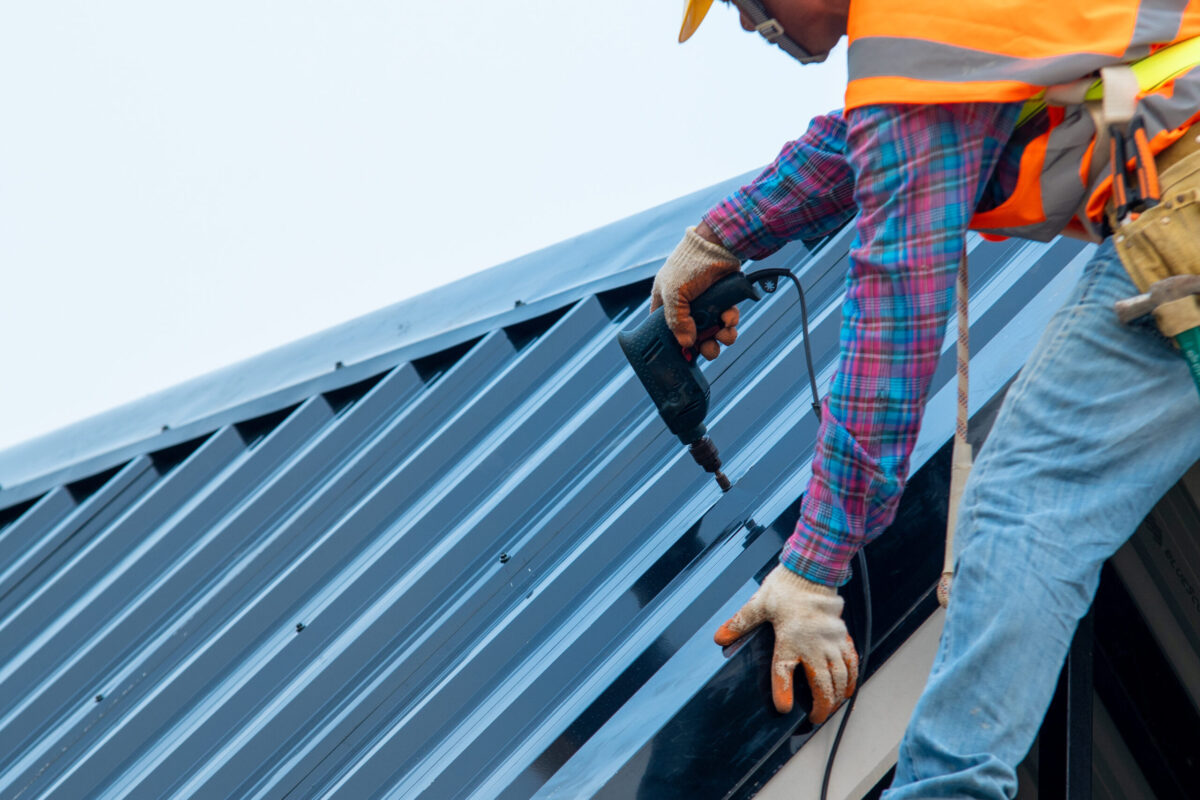
- Metal Roofing: Offers longevity and minimal maintenance for sloped structures.
Installation methods vary based on material, including heat-welded seams, mechanical fasteners, or fully adhered systems. Each system is installed to manufacturer specifications to ensure long-term warranty coverage.
6. Final Inspection and Quality Assurance
After installation, a detailed inspection verifies the quality of workmanship and system integrity. Roofing contractors check seams, flashing, and drainage to ensure everything functions properly.
A final walkthrough is typically conducted with the property owner or facility manager to:
- Review installation results and warranty details
- Verify leak prevention and proper sealing
- Provide maintenance guidelines for ongoing care
At this stage, your property is ready to return to full operation with improved energy efficiency, protection, and aesthetic value.
Cost Factors to Consider in Commercial Roof Replacement
The cost of a commercial roof replacement can vary widely depending on several factors. Understanding what influences pricing helps you make informed financial decisions.
- Roof Size and Complexity: Larger buildings and intricate roof designs require more materials and labor.
- Material Type: TPO and EPDM are often more affordable than PVC or metal systems.
- Existing Conditions: Structural damage or multiple roof layers can increase preparation time and cost.
- Insulation Requirements: Energy-efficient insulation adds cost upfront but reduces long-term utility bills.
- Accessibility: Limited building access or safety restrictions can affect project logistics.
To manage costs effectively, it’s best to request a detailed proposal that includes labor, material, and warranty terms. This transparency ensures no surprises once the project begins.
Maintaining Your New Commercial Roof
A high-quality roof can last decades when properly maintained. Implementing a proactive maintenance plan helps protect your investment and ensures compliance with warranty requirements.
- Schedule Routine Inspections: Conduct professional inspections at least twice per year and after major storms.
- Clean Gutters and Drains: Standing water can shorten your roof’s lifespan and cause leaks.
- Limit Foot Traffic: Only allow authorized personnel on the roof to prevent accidental damage.
- Address Issues Promptly: Minor repairs handled early prevent costly damage later.
- Keep Records: Document all maintenance and inspection reports for warranty validation.
In Durham, NC and surrounding areas, regular roof maintenance is especially important due to seasonal humidity and rainfall, which can accelerate wear if ignored.
Protect Your Business with a Reliable Roofing Partner
A commercial roof replacement is one of the most valuable upgrades you can make for your property. It improves building performance, reduces operational risks, and enhances tenant satisfaction. Partnering with a trusted roofing contractor ensures the job is completed safely, efficiently, and to the highest standard.
If your commercial roof is showing signs of age or damage, contact us today to schedule a professional inspection. The experts at K&D Roofing proudly serve Durham, NC and surrounding areas, offering tailored roofing solutions designed to meet the needs of your business and protect your investment for years to come.