If your roof is showing signs of age or weather damage, you might be considering tile roof replacement as a long-term solution. Tile roofs are known for their strength, energy efficiency, and classic style—but replacing them takes more than just swapping tiles. It’s a precise process that requires expertise, planning, and attention to detail. Learn more about professional roof replacement options through this roofing service page.
In this guide, you’ll discover:
- Why tile roof replacement is an important investment
- The full step-by-step process from inspection to installation
- Common challenges and how professionals handle them
- Tips for maintaining your new tile roof for decades
Why Tile Roof Replacement Matters

Tile roofs are among the most durable roofing systems available, but even they eventually reach the end of their lifespan. Whether due to broken tiles, underlayment deterioration, or storm damage, replacing a tile roof ensures your home remains protected for decades. For homeowners in Cary, NC and surrounding areas, where humidity, heat, and seasonal storms are common, investing in timely replacement can prevent costly structural issues down the road.
- Longevity Restoration: New tile roofs can last 50–100 years with proper maintenance, restoring long-term protection to your home.
- Improved Energy Efficiency: Tile naturally reflects sunlight, helping to regulate indoor temperatures and lower cooling costs.
- Enhanced Curb Appeal: Tile comes in a wide range of colors and styles, giving your home an instant visual upgrade.
- Structural Integrity: Replacing deteriorated underlayment prevents water leaks, mold growth, and damage to wooden decking.
- Increased Home Value: Tile roofing adds resale appeal and signals quality craftsmanship to potential buyers.
5 Steps of Tile Roof Replacement
Replacing a tile roof is a significant project—but understanding the process helps homeowners know what to expect and ensures the job is done right.
1. Initial Inspection and Roof Assessment
The first step in any tile roof replacement is a thorough inspection. A roofing specialist evaluates the condition of your existing tiles, underlayment, and decking to determine the scope of work.
During this stage, professionals will:
- Identify damaged or missing tiles
- Check for rot or soft spots in the decking
- Assess attic ventilation and flashing around roof penetrations
- Provide an accurate estimate for materials and labor
This evaluation helps determine whether a full replacement is necessary or if partial repairs might be sufficient.
2. Removing Old Tiles and Underlayment
Once the project begins, crews carefully remove the old tiles to avoid unnecessary breakage. Salvageable tiles are sometimes reused, especially with traditional clay systems. The underlayment and flashing beneath the tiles are also removed to expose the roof deck.
This step allows the team to:
- Inspect the wood decking for rot or moisture damage
- Replace damaged plywood sections
- Prepare the surface for new waterproofing materials
Removing all old materials ensures the new roof performs as efficiently as possible and prevents hidden damage from reappearing later.
3. Installing New Underlayment and Flashing
The underlayment acts as a waterproof barrier beneath your tile roof. Over time, exposure to heat and moisture can cause it to dry out or crack, making replacement essential.
Roofers install a high-quality, breathable underlayment that resists water penetration while allowing trapped moisture to escape. Flashing—thin metal pieces that seal roof transitions and valleys—is also replaced or upgraded.
Key materials often include:
- Synthetic or self-adhering underlayment for superior protection
- Copper, aluminum, or stainless-steel flashing for corrosion resistance
- Reinforced valley liners to prevent leaks in vulnerable areas
This step sets the foundation for a watertight and long-lasting roofing system.
4. Installing the New Tiles
Once the underlayment is in place, the new tiles are carefully installed. Depending on the roof design and homeowner preference, this may include clay, concrete, or composite tiles. Each material has unique weight and aesthetic considerations.
During installation, roofers:
- Secure tiles using proper fasteners or mortar, depending on roof pitch and local code
- Ensure consistent overlap for optimal water runoff
- Align tiles for even spacing and balanced appearance
- Cut and fit edge and ridge tiles for a polished finish
In Cary, NC and surrounding areas, many homeowners choose clay or concrete tiles for their resistance to heat and humidity—both of which are common in the region.
5. Final Inspection and Cleanup
After installation, a comprehensive inspection ensures the roof meets all safety and performance standards. The team verifies that all flashing, tiles, and ridge caps are properly sealed, and that no debris or tools remain on-site.
- Quality checks confirm watertight integrity
- Gutters and walkways are cleared of materials
- Warranties and maintenance guidance are provided to the homeowner
At this stage, your home’s exterior transformation is complete—and your new tile roof is ready to protect it for decades to come.
Common Challenges During Tile Roof Replacement
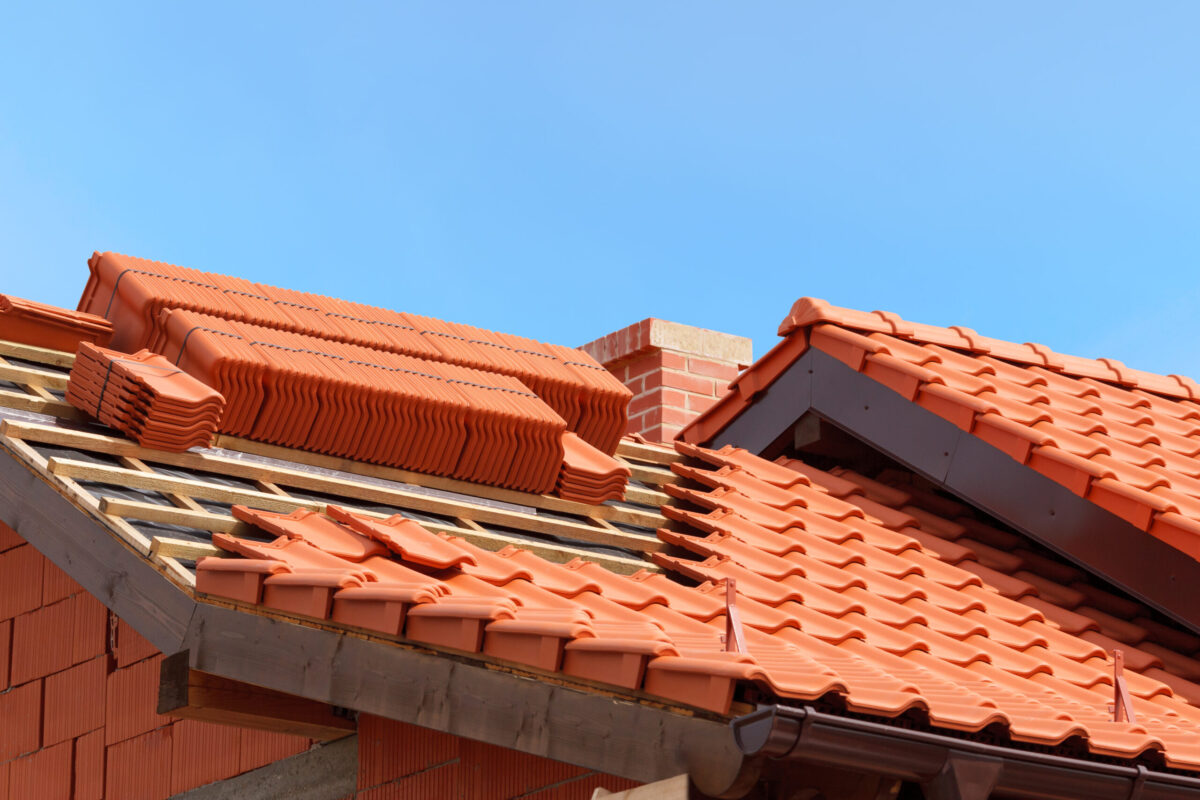
Even a well-planned replacement can face challenges. Knowing what they are helps you understand why professional expertise is so important.
Heavy Material Weight
Tile roofs are significantly heavier than asphalt or metal, sometimes requiring structural reinforcement before installation. Roofers assess load capacity and make adjustments to prevent long-term stress on the home’s framing.
Weather-Related Delays
Since tile installation is detail-oriented, consistent weather is crucial. Rain or extreme heat can delay progress slightly, but skilled roofing crews schedule around local conditions to minimize downtime.
Matching Tile Color and Style
When replacing older roofs, matching existing tile color can be difficult if the manufacturer discontinued that style. Experienced contractors often source similar shades or blend new tiles with salvaged ones for seamless results.
Underlayment Complexity
Because tile roofs last so long, underlayment may need multiple layers or specialized materials to achieve proper moisture protection. Precision in this step determines the system’s long-term performance.
While the upfront investment is higher, tile’s longevity and energy performance make it one of the most cost-effective options over time.
Tips for Maintaining a Tile Roof

Proper maintenance is key to maximizing the lifespan of your new tile roof. Fortunately, it requires minimal upkeep compared to other materials.
- Schedule Annual Inspections: Regular checks help catch minor cracks or dislodged tiles before they become leaks.
- Clean Debris from Valleys: Leaves and branches can block water flow and cause pooling.
- Avoid Pressure Washing: High-pressure cleaning can damage tiles or underlayment. Instead, use low-pressure methods or professional cleaning services.
- Replace Broken Tiles Promptly: Even one cracked tile can allow moisture infiltration.
- Keep Gutters Clear: Proper drainage reduces weight and moisture buildup along roof edges.
With professional care, your tile roof can remain beautiful and watertight for generations.
Bring Lasting Beauty and Strength to Your Home
Tile roof replacement isn’t just a repair—it’s an investment in your home’s longevity, efficiency, and architectural appeal. With proper installation and maintenance, a new tile roof can withstand North Carolina’s weather while enhancing your home’s value and charm. If you’re considering replacement in Cary, NC and surrounding areas, contact us today to schedule a professional inspection and estimate. K&D Roofing’s experienced team will guide you through each step to ensure your roof replacement delivers decades of reliable protection.