When a storm hits or a tree crashes down unexpectedly, your roof often takes the brunt of the damage. Whether it’s shingles torn off by high winds or a sudden leak after heavy rain, these situations can quickly escalate into serious water damage inside your home. Acting quickly after an incident is crucial, but knowing what to do—and what not to do—can make all the difference. That’s why every homeowner should understand how to handle emergency roof repair situations safely and efficiently.
In North Carolina, severe weather can strike with little warning. If your home in Fuquay Varina, NC and surrounding areas has been impacted by wind, hail, or fallen debris, it’s important to take immediate action to minimize damage. In this guide, you’ll learn:
- The importance of responding quickly to roof damage
- 7 essential steps to take after a roofing emergency
- How to identify warning signs of deeper structural issues
- Preventive maintenance tips for future storms
- When and how to call a professional for help
Why Emergency Roof Repair Should Never Wait
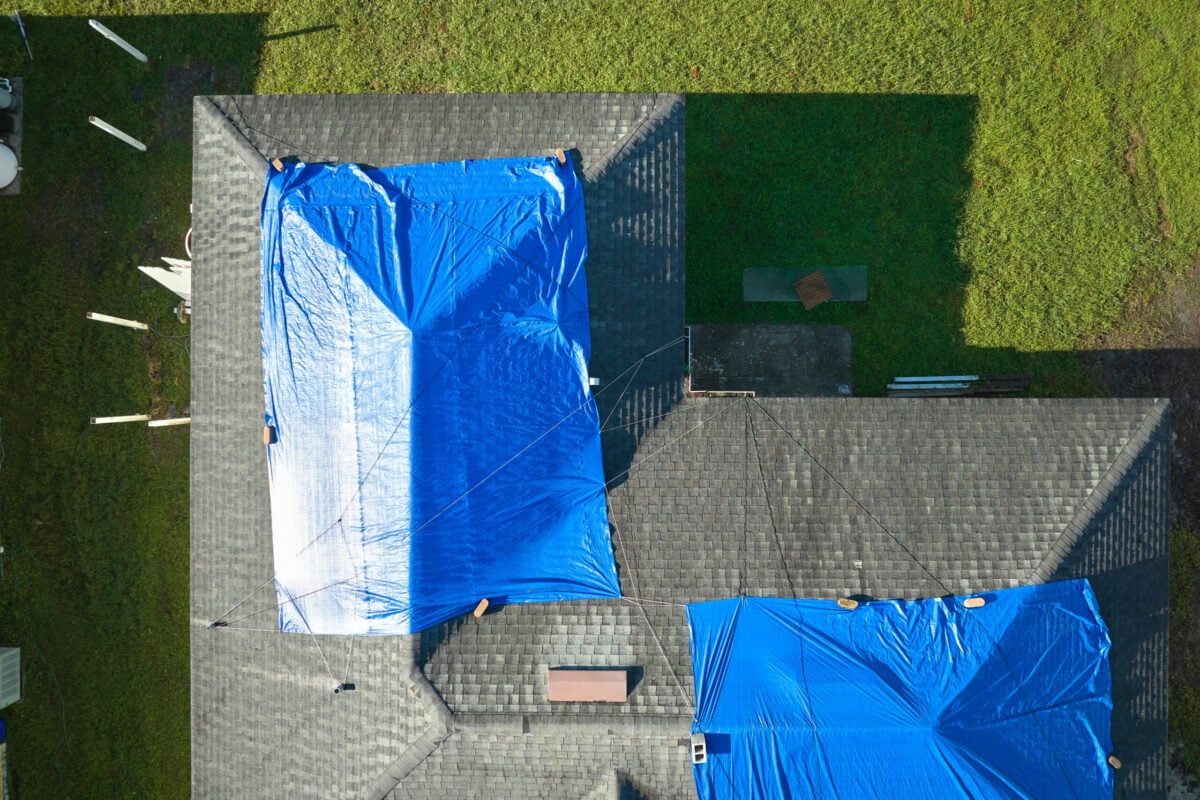
When a roofing emergency strikes, the clock starts ticking. Water, wind, and debris can quickly compromise your roof’s structure, leading to costly repairs if not addressed right away.
Here’s why it’s critical to respond immediately:
- Protects Structural Integrity: A small puncture or torn shingle can allow water to seep into rafters, insulation, and drywall, leading to rot or mold growth.
- Minimizes Repair Costs: The faster damage is contained, the less extensive—and expensive—repairs will be.
- Prevents Safety Hazards: Leaks and weakened roofing materials can pose risks to your household’s safety, including electrical or ceiling collapse hazards.
- Keeps Insurance Claims Simple: Quick action and proper documentation help streamline claims and improve your chances of full coverage.
- Preserves Home Value: Prompt repairs prevent unsightly or structural issues that could affect your home’s long-term value.
Responding quickly doesn’t just stop leaks—it protects your entire home from cascading problems that can take months to fix.
7 Immediate Steps to Take After Roof Damage
After a storm or sudden incident, it’s easy to panic. But taking calm, strategic steps can help you stay safe while preventing further damage.
1. Put Safety First
Your first concern should always be safety. Never climb on the roof during or immediately after a storm. High winds, wet surfaces, and loose shingles make it extremely dangerous.
- Stay inside until the storm has fully passed.
- If water is leaking near electrical fixtures, shut off power to that area.
- Avoid entering rooms with sagging ceilings, as water buildup could cause collapse.
- Once it’s safe, do a visual inspection from the ground using binoculars if needed.
If your roof appears heavily damaged or you suspect structural instability, contact emergency services before entering.
2. Contain Indoor Leaks
Even a small roof puncture can allow gallons of water to enter your home in minutes. Your goal is to limit interior water damage.
- Place buckets or large containers under active leaks.
- Move furniture and electronics out of affected areas.
- Use towels or tarps to protect floors and valuables.
- Poke a small hole in sagging ceiling drywall to drain pooled water safely into a bucket.
Quickly containing leaks buys you time until professionals can arrive.
3. Document All Damage
Insurance companies will want evidence of the incident, so take detailed photos and notes as soon as possible.
- Capture both interior and exterior damage from multiple angles.
- Include close-ups of missing shingles, debris, and visible holes.
- Record the date, time, and weather conditions when the damage occurred.
- Keep samples (like torn shingles) if they’ve fallen to the ground.
Thorough documentation ensures a smoother insurance claim process and provides your roofing contractor with a clear overview of the damage.

4. Make Temporary Weatherproofing Fixes
If it’s safe, temporary patches can help prevent further water entry until professional help arrives.
- Cover damaged areas with a waterproof tarp secured by 2x4s or heavy objects.
- Seal small cracks or punctures using roofing cement or duct tape in dry areas.
- Clear gutters and downspouts to encourage proper drainage.
These short-term solutions can make a big difference, especially during ongoing rain. Avoid using ladders or walking on the roof unless you are experienced and conditions are stable.
5. Contact a Local Roofing Professional
Once the situation is under control, your next step is calling an experienced roofing contractor.
- Choose a reputable, local company familiar with Fuquay Varina, NC and surrounding areas.
- Ask if they offer emergency response or temporary tarping services.
- Ensure the contractor is licensed, insured, and experienced in storm-related roof repairs.
Professional roofers can identify hidden damage, safely secure your home, and recommend the right repair or replacement solutions.
6. Notify Your Insurance Provider
Most homeowners’ insurance policies cover storm or impact damage. Reporting quickly is key.
- Contact your insurer as soon as possible to start the claims process.
- Provide photos, documentation, and your roofer’s initial inspection report.
- Keep receipts for any emergency repairs or temporary accommodations.
Your roofing contractor can often meet with the insurance adjuster to confirm the extent of the damage and ensure nothing is overlooked.
7. Schedule a Full Roof Inspection and Repair
Even if emergency patches stop leaks, a full inspection is necessary to confirm the roof’s structural integrity. A professional will:
- Examine flashing, decking, and underlayment for moisture damage.
- Identify compromised areas that could lead to future leaks.
- Recommend permanent repair or full replacement if needed.
They’ll also provide maintenance guidance to strengthen your roof against future storms.
How to Prevent Future Roof Damage
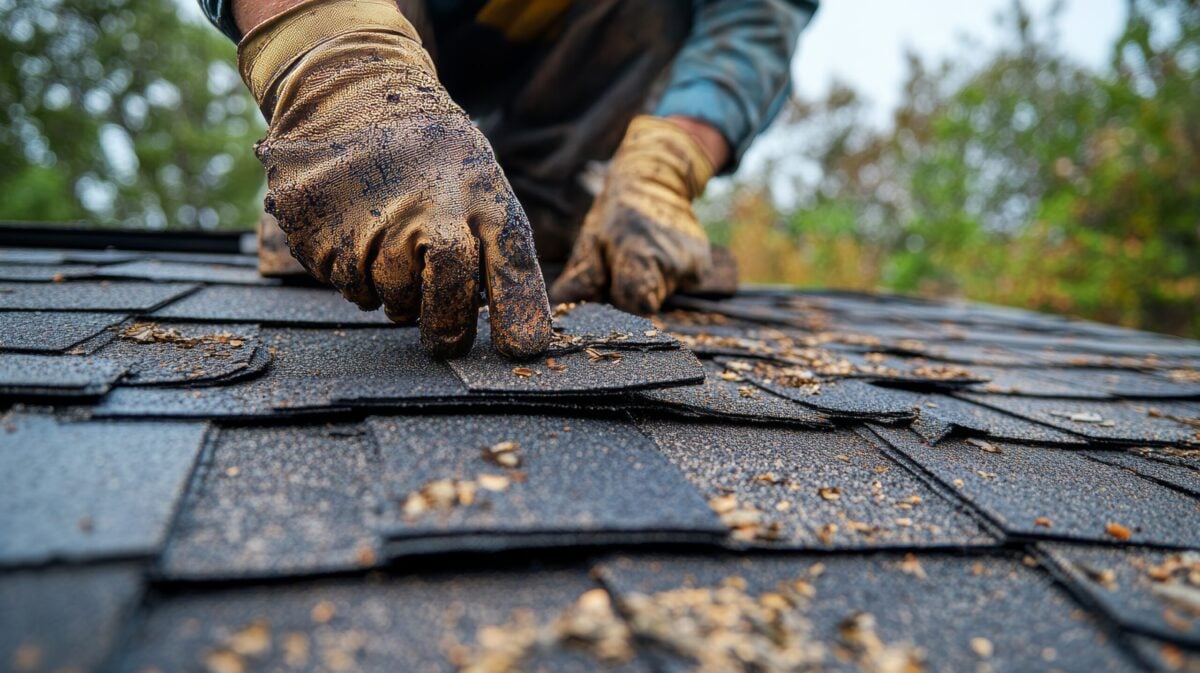
Once your roof has been repaired, prevention is your best defense against future emergencies.
- Schedule Regular Roof Inspections: Have your roof inspected at least once a year and after major storms. Professionals can detect small issues like lifted shingles or cracked seals before they worsen.
- Maintain Gutters and Downspouts: Clean gutters twice a year to keep water flowing properly. Consider installing gutter guards for added protection.
- Trim Trees Around Your Home: Remove overhanging branches that could fall or scrape against your roof during storms.
- Check Attic Ventilation and Insulation: Good ventilation reduces heat and moisture buildup that can weaken roof materials over time.
- Upgrade to Storm-Resistant Materials: Modern roofing materials like impact-resistant shingles and reinforced flashing can dramatically improve durability during extreme weather.
Professional vs. DIY Repairs: What’s the Difference?
When facing a roofing emergency, it may be tempting to try quick DIY fixes. But professional repairs offer distinct advantages.
| Aspect | DIY Repair | Professional Repair |
| Safety | Risk of injury from falls or unstable surfaces | Trained crews follow safety protocols |
| Quality | Temporary fix, may not address root cause | Comprehensive inspection and permanent repair |
| Warranty | None, may void manufacturer warranty | Workmanship and material warranties provided |
| Insurance Approval | May not be covered if self-repaired | Documentation supports full insurance coverage |
Secure Your Home Before the Next Storm
A roofing emergency is stressful, but quick action and professional help can make all the difference. From documenting damage to contacting your insurer, every step you take helps protect your home and your investment.
If you’ve experienced roof damage or need professional guidance after a storm, don’t wait. Experienced roofing professionals can inspect your roof, provide emergency tarping, and develop a plan for lasting repairs. For trusted local help, contact us today to schedule an inspection or emergency service in Fuquay Varina, NC and surrounding areas.