
 919.977.4074
If you are planning to work on an exterior siding project, understanding how to cut Hardie board is essential. Hardie board, also known as fiber cement siding, is a durable and weather-resistant material widely used in home construction and renovation. Properly cutting this material ensures a clean fit, reduces waste, and helps the installation process go smoothly. To learn more about expert siding services that can help with your project, consider exploring professional siding options available for seamless results.
- Discover why cutting Hardie board correctly is important for your project success
- Understand the necessary tools and safety precautions for cutting fiber cement siding
- Follow a simple, 9-step process to cut Hardie board accurately
- Explore tips for maintaining your tools and handling common challenges
- Learn the benefits of professional installation and when to seek expert help
Why Properly Cutting Hardie Board Matters

Hardie board has gained popularity for its strength, resilience to weather, and aesthetic appeal, but these attributes also make it a challenging material to work with if you do not cut it properly. Incorrect cuts can lead to wasted materials, compromised structural integrity, and costly delays. Here are some crucial reasons why mastering how to cut Hardie board is important:
- Durability Preservation: Clean cuts reduce the risk of cracks or chips that can weaken the board.
- Accurate Fitting: Precise measurement and cutting ensure the siding panels fit perfectly, improving overall appearance.
- Material Savings: Correct cutting minimizes waste, which saves money on costly fiber cement boards.
- Safety Assurance: Using the right techniques reduces the risk of injury during installation.
- Enhances Weather Resistance: Properly cut and sealed edges help maintain the siding’s protection against moisture and insects.
9 Simple Steps to Cut Hardie Board Accurately
Successfully cutting Hardie board requires a systematic approach and the right tools. Below is a step-by-step guide to help you achieve clean cuts and prepare your siding for installation.
1. Gather All Necessary Tools
Before you begin, ensure you have all required equipment to make straight, safe cuts.
- Fiber cement circular saw with a carbide-tipped blade or a scoring tool
- Measuring tape and carpenter’s pencil
- Speed square or straight edge
- Clamps to secure the board
- Dust mask, safety goggles, and ear protection
2. Measure and Mark Your Cut Lines
Carefully measure the dimensions needed for your siding panels. Use a carpenter’s pencil and a straight edge or speed square to mark precise cut lines on the board’s surface.
3. Secure the Hardie Board
Place the board on a sturdy work surface and use clamps to hold it firmly in place. Stability is crucial for accurate cutting and safety.
4. Choose the Cutting Method
Decide whether to score and snap the board or use a circular saw for cutting. Scoring is suitable for smaller cuts whereas saw cutting accommodates complex shapes and larger panels.
5. Score the Hardie Board (if applicable)
Using a scoring tool or utility knife along your measured line, apply firm pressure to etch the surface paper of the board. Then, carefully snap the board along the scored line.
6. Make Saw Cuts With Proper Technique
If using a saw, wear your safety gear. Begin at one edge and slowly guide the saw along the marked line without forcing it. Frequent breaks and steady motion reduce the chance of chip-out.
7. Smooth Edges and Remove Dust
Use a sanding block to smooth any rough edges from the cut to ensure a clean finish. Remove any dust using a brush or cloth to prevent interference during installation.
8. Cut Notches or Angles as Needed
For corners or specialized siding pieces, measure and mark notches or angles carefully. Use smaller blades or jigsaws compatible with fiber cement to perform detailed cuts.
9. Dispose of Waste Properly and Clean Up
Fiber cement dust can be harmful. Collect all debris, dispose of it responsibly, and thoroughly clean your work area to maintain safety.
Additional Tips to Enhance Your Hardie Board Cutting Experience
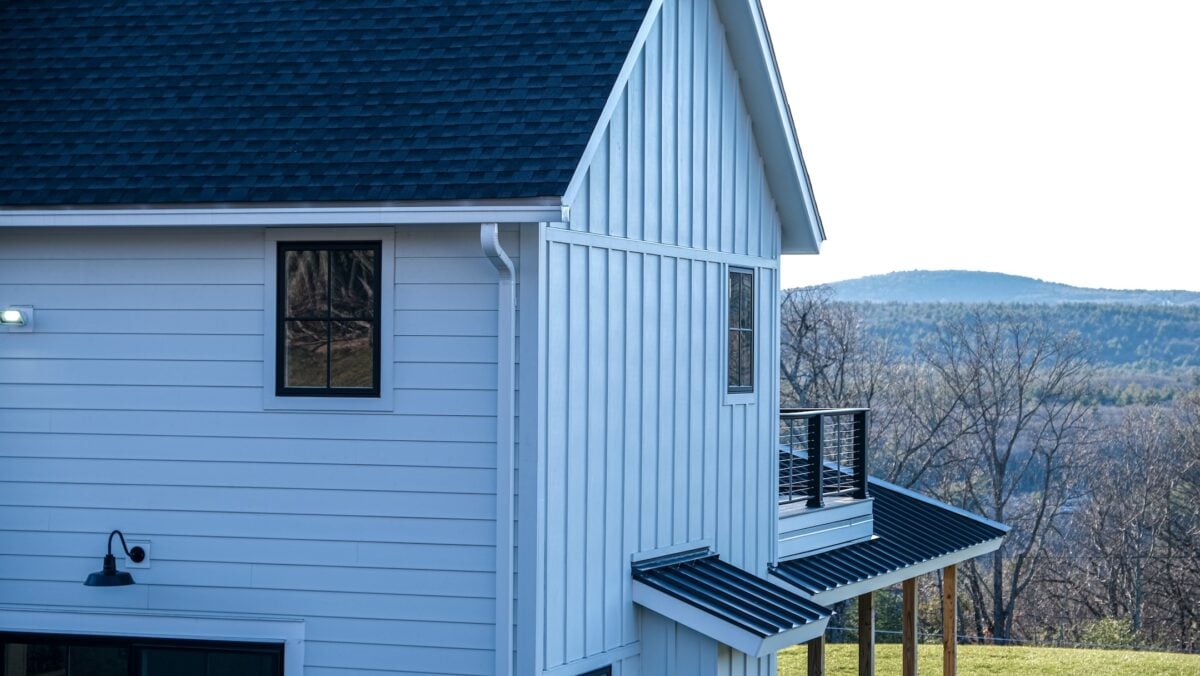
Knowing the right methods regarding how to cut Hardie board is important, but extra tips will further improve your project outcome and safety.
- Wear Protective Gear: Always use a dust mask, safety goggles, and ear protection to protect yourself from dust and noise.
- Use the Correct Blade: A carbide-tipped or diamond blade designed for fiber cement cutting produces the best results.
- Work Outdoors: Cutting Hardie board outdoors prevents dust buildup inside your work area.
- Practice Makes Perfect: If new to this material, practice cutting scraps before starting on actual siding panels.
- Keep Tools Sharp: Regularly checking and replacing blades or scoring tools keeps cuts clean and reduces strain.
When to Consider Professional Assistance for Cutting and Installing Hardie Board
While many homeowners can handle how to cut Hardie board themselves with proper tools and knowledge, there are situations where expert help is beneficial. Complex designs, large projects, or working in challenging conditions may call for siding professionals.
Benefits of Professional Installation
- Expert Precision: Professionals have specialized tools and extensive experience to ensure flawless cuts and installation.
- Time Efficiency: Skilled contractors can complete projects faster, reducing disruption.
- Warranty and Support: Many provide guarantees on workmanship and product performance.
- Safety Compliance: Professionals follow safety guidelines and dispose of materials correctly.
Comparing DIY vs Professional Approach
| Aspect | DIY Cutting | Professional Service
|
| Cost | Lower upfront, but risk of mistakes | Higher cost, includes expertise |
| Skill Required | Moderate to high | High skill already included |
| Time | Longer duration | Faster completion |
| Quality | Depends on experience | Consistently high |
For those in the Portland and surrounding areas, help with siding cutting and installation is readily available through local experts who understand the specifics of weather and building codes unique to the region.

Final Thoughts on How to Cut Hardie Board
Knowing how to cut Hardie board is a key part of ensuring your home siding project is durable and efficient By following the 9-step process outlined above and adhering to safety best practices, you can confidently prepare fiber cement panels for an excellent finish. For those seeking an even smoother experience from measurement to installation, reaching out to professionals can save time and guarantee precision.
If you are ready to take the next step with your siding project, do not hesitate to contact us today for expert advice and assistance tailored to your needs.