
 919.977.4074
When it comes to protecting a commercial building, few systems perform as effectively as a membrane roof. Known for their strength, flexibility, and energy efficiency, these roofing systems are designed to handle everything from heavy rain to intense heat while maintaining a watertight seal. Whether you’re managing a warehouse, retail property, or office building in Durham, NC and surrounding areas, understanding how membrane roofs work—and which type fits your property best—can help you make a smart, long-term investment.
To see how different flat and low-slope systems are built to protect your business, explore how we handle durable roofing solutions through our commercial roofing experience.
What you’ll learn in this guide:
- The purpose and benefits of membrane roofs
- The most common types of membrane roofing systems
- A comparison of materials and performance
- How to maintain and extend the life of your roof
Why Membrane Roofs Are So Popular for Commercial Buildings
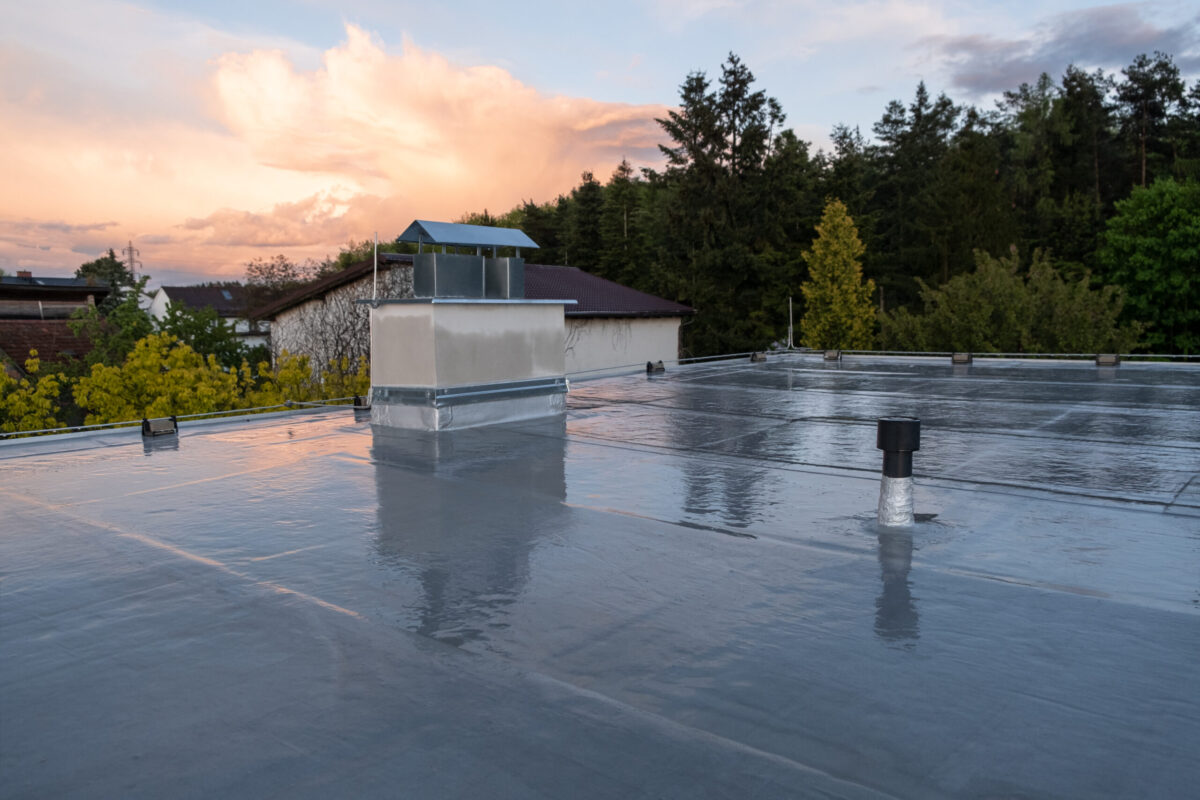
Membrane roofs are one of the most widely used commercial roofing systems because they combine longevity with efficiency. These systems are especially ideal for large flat or low-slope roofs, where traditional shingles or metal panels aren’t as effective. In Durham, NC and surrounding areas, where humidity and temperature shifts can wear down older materials, membranes provide flexibility and protection year-round.
- Waterproof Protection: Membrane roofs create a seamless barrier that prevents leaks, standing water, and moisture infiltration.
- Energy Efficiency: Many systems include reflective surfaces that reduce heat absorption and lower cooling costs.
- Ease of Installation: Lightweight and adaptable, membranes can often be installed directly over existing roofing materials.
- Low Maintenance: With minimal seams and long-lasting adhesives, they require less frequent repairs than other roof types.
- Long-Term Durability: Modern membrane materials resist UV exposure, chemicals, and weathering for decades of reliable service.
5 Common Types of Membrane Roofs
Each membrane roofing system has unique benefits, installation methods, and performance features. Here’s a breakdown of the five most common types used in today’s commercial properties.
1. TPO (Thermoplastic Polyolefin)
TPO is one of the fastest-growing options in commercial roofing due to its combination of performance and affordability. It features a single-ply, white reflective surface that helps reduce heat buildup.
Key Advantages:
- High reflectivity for lower energy bills
- Resistant to UV rays, ozone, and chemicals
- Welded seams create watertight seals
- Low maintenance requirements
Best For: Energy-conscious businesses or facilities seeking a modern, cost-effective, and long-lasting flat roof system.
2. PVC (Polyvinyl Chloride)
PVC roofing shares similarities with TPO but offers additional chemical resistance and flexibility. It’s often used in buildings exposed to oils, grease, or industrial exhaust.
Key Advantages:
- Exceptional resistance to chemicals and grease
- Reinforced membrane for added strength
- Long service life and minimal maintenance
- Heat-welded seams for superior leak protection
Best For: Restaurants, manufacturing facilities, or chemical plants that need durability and easy cleaning.
3. EPDM (Ethylene Propylene Diene Monomer)
EPDM, commonly called “rubber roofing,” is known for its flexibility and ability to withstand extreme weather. It’s typically black but can be coated white for better energy performance.
Key Advantages:
- Long lifespan, often exceeding 25 years
- Highly flexible, even in freezing temperatures
- Resistant to UV rays and ozone exposure
- Simple, budget-friendly installation
Best For: Office buildings, schools, and warehouses needing reliable, low-cost roofing protection.
4. Modified Bitumen
Modified bitumen builds on traditional built-up roofing systems with added polymers that improve elasticity and strength. It’s installed in layers using heat or cold adhesives.
Key Advantages:
- Excellent durability and puncture resistance
- Performs well in fluctuating temperatures
- Easy to repair and maintain
- Long history of proven performance
Best For: Smaller buildings or properties needing a strong, layered system that handles both foot traffic and weather extremes.
5. Built-Up Roofing (BUR)
While technically not a single-ply membrane, BUR systems function similarly. They combine alternating layers of bitumen and reinforcing fabrics, topped with gravel or a reflective coating.
Key Advantages:
- Time-tested, reliable performance
- Multiple layers for superior waterproofing
- Excellent UV protection and insulation
- Long-term durability when properly maintained
Best For: Industrial facilities, flat roofs, and structures where rugged, long-term protection is the top priority.
Maintenance Tips to Extend the Life of a Membrane Roof
Like any commercial roofing system, membranes last longest with consistent care. Routine maintenance helps catch minor issues before they turn into costly repairs or replacements.
Schedule Regular Inspections
Plan professional inspections at least twice a year—typically in spring and fall—to identify cracks, loose seams, or punctures before they spread.
Keep Drains and Gutters Clear
Because membrane roofs are flat or low-sloped, proper drainage is essential. Remove leaves, branches, and debris that can block water flow and cause pooling.
Monitor Roof Penetrations
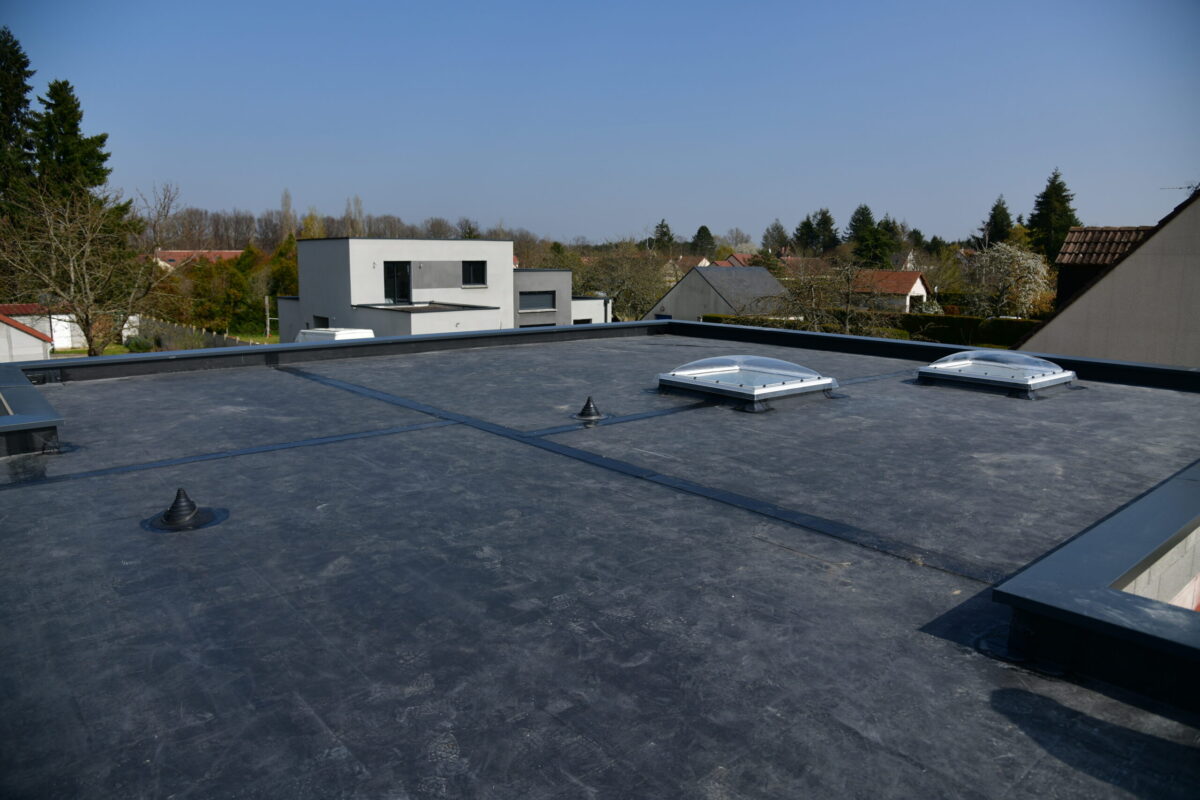
HVAC units, vents, and skylights are common leak sources. Ensure all flashing and seals remain intact during every inspection.
Clean and Reseal as Needed
Over time, dirt buildup or algae can affect performance. Cleaning with gentle solutions and resealing exposed areas keeps the surface reflective and strong.
Act Quickly on Damage
If you notice bubbles, blisters, or leaks inside the building, contact a professional immediately. Early repair saves money and prevents structural damage.
Pro Tip: For property owners in Durham, NC and surrounding areas, intense summer heat and humidity make semiannual maintenance especially important to preserve material flexibility.
The Environmental Advantages of Membrane Roofs
Modern membrane roofs aren’t just functional—they’re eco-friendly, too. Their energy-efficient materials and recyclability make them a sustainable choice for commercial properties.
Energy Savings
White reflective membranes like TPO and PVC significantly lower heat absorption, reducing interior cooling costs during summer. This makes them ideal for hot, sunny climates.
Sustainable Materials
Many membrane systems are manufactured from recyclable components that can be repurposed at the end of their life, reducing landfill waste.
Reduced Urban Heat
Because reflective membranes minimize heat retention, they help reduce overall temperatures in urban environments—an important factor for eco-conscious businesses.
Long Lifespan Reduces Waste
Durable materials mean fewer replacements, minimizing environmental impact from production and disposal.
Membrane Roof Installation and Cost Considerations
When investing in a new roofing system, understanding the process and price factors helps set realistic expectations.
Installation Process
Most membrane roofs are installed in one of three ways:
- Mechanically Attached: Fasteners secure the membrane to the roof deck.
- Fully Adhered: Adhesive bonds the membrane directly to the surface for a smooth finish.
- Ballasted: The membrane is weighted down with gravel or pavers, often used for large flat roofs.
Each method offers different benefits depending on your roof’s structure and climate exposure.
Cost Factors
Several variables affect installation costs:
- Roof Size and Complexity: Larger roofs or those with multiple penetrations require more labor.
- Material Selection: PVC and metal-reinforced systems cost more upfront but provide longer service life.
- Insulation Needs: Adding insulation layers increases energy savings but also total cost.
- Accessibility: Roofs that are difficult to reach or require extra safety measures may raise installation time and price.
On average, membrane roof installation costs vary between $6 and $12 per square foot, depending on material and project scope. While this represents a significant investment, the long-term performance and reduced maintenance often offset initial costs.
How to Choose the Right Membrane Roof for Your Building
Selecting the right system requires balancing performance, budget, and environmental goals.
- For Maximum Energy Efficiency: Choose TPO or PVC for reflective properties and cooling benefits.
- For Longevity and Affordability: EPDM provides decades of reliability at a lower cost.
- For Heavy-Duty Durability: Modified bitumen and BUR offer rugged performance for industrial applications.
- For Eco-Friendly Buildings: TPO and green roofing combinations support sustainable design initiatives.
If your property in Durham, NC and surrounding areas faces heat, humidity, and frequent storms, a flexible, UV-resistant option like TPO or EPDM will deliver the best year-round protection.

Invest in Proven Roofing Protection
A membrane roof offers lasting performance, cost savings, and energy efficiency when installed and maintained properly. It’s a smart solution for commercial property owners who value durability and long-term protection.
Whether you’re replacing an aging roof or exploring upgrades for energy performance, the right system will safeguard your building and reduce maintenance costs for decades.
If you’re ready to discuss membrane roof options or need a professional inspection, contact us today to speak with the experts at K&D Roofing. Our commitment to quality craftsmanship, education, and transparency ensures your property gets the best possible protection for years to come.