
 919.977.4074
Discovering a roof leak early can save you from costly repairs and extensive water damage. Knowing how to find a roof leak is an essential skill for any homeowner. Whether it’s a minor drip or a persistent problem, identifying the source promptly is key to maintaining a safe and dry home. For those dealing with severe weather impacts, understanding this process is especially critical. If you want professional help, exploring services related to storm damage repair can offer expert solutions that protect your home from future issues.
- Learn the most common areas where roof leaks develop
- Understand essential tools and techniques for knowing how to find a roof leak
- Follow a step-by-step approach to diagnose and inspect your roof
- Discover practical tips to prevent future leaks and maintain your roof
- Explore when to call a professional for repairs
Why Knowing How to Find a Roof Leak Matters

Finding a roof leak quickly helps you manage risks before they escalate into serious problems. Water infiltration can damage ceilings, walls, and insulation, causing structural issues that compromise your home’s safety and value.
Here are several important benefits of quickly knowing how to find a roof leak:
- Protects your home: Early detection prevents water damage that can undermine the structural integrity of your house.
- Saves money: Fixing small leaks is much less expensive than repairing widespread rot or mold issues.
- Preserves indoor air quality: Prevents mold and mildew growth caused by moisture accumulation.
- Improves energy efficiency: Proper roofing stops damp insulation from reducing your home’s ability to retain heat or cool air.
- Ensures safety: Avoid slips, electrical hazards, or collapsed ceilings resulting from unseen water damage.
5 Step Guide: How to Find a Roof Leak
Locating a roof leak involves a methodical inspection, both inside and outside your home. These steps will help you track down the source effectively.
1. Inspect Your Attic for Moisture and Water Stains
The attic is often the first place to show signs of a roof leak. Look for the following clues:
- Water stains or discoloration on wood beams or insulation
- Damp or wet insulation materials
- Mold or mildew growth
- Musty odors indicating moisture
Use a flashlight to carefully examine the area, paying close attention to any spots near the roof sheathing and joints.
2. Examine the Roof Surface for Visible Damage
On the exterior, identify common places where damage occurs that could cause leaks:
- Missing or damaged shingles
- Loose or cracked flashing around chimneys, vents, or skylights
- Broken or worn areas around roof valleys
- Pooling water or debris buildup that can trap moisture
Use binoculars if climbing onto the roof is unsafe. If you must get on the roof, ensure proper safety equipment and precautions.
3. Perform a Water Test During Dry Weather
If you still cannot find the leak, a water test may help pinpoint the source:
- Have someone stay inside while you spray water on roof sections, starting near where indoor leaks were detected.
- Spray for 10 to 15 minutes to see if water starts dripping inside.
- Move systematically across the roof, repeating until the leak is located.
4. Inspect Flashings and Roof Penetrations
Flashing areas around chimneys, vents, skylights, and plumbing pipes are frequent leak points. Check for:
- Gaps or cracks in sealant or metal flashing
- Loose nails or fasteners
- Rust or corrosion on metal components
Replacing or resealing flashing may resolve leaks in these areas.
5. Check Gutters and Downspouts
Improper drainage can lead to water backing up and seeping under your roof covering. Look for:
- Clogged or sagging gutters causing overflow
- Detached or damaged downspouts directing water against the house
Cleaning and repairing gutters can mitigate leak risks related to drainage.
Essential Tools and Techniques to Help You Find Roof Leaks
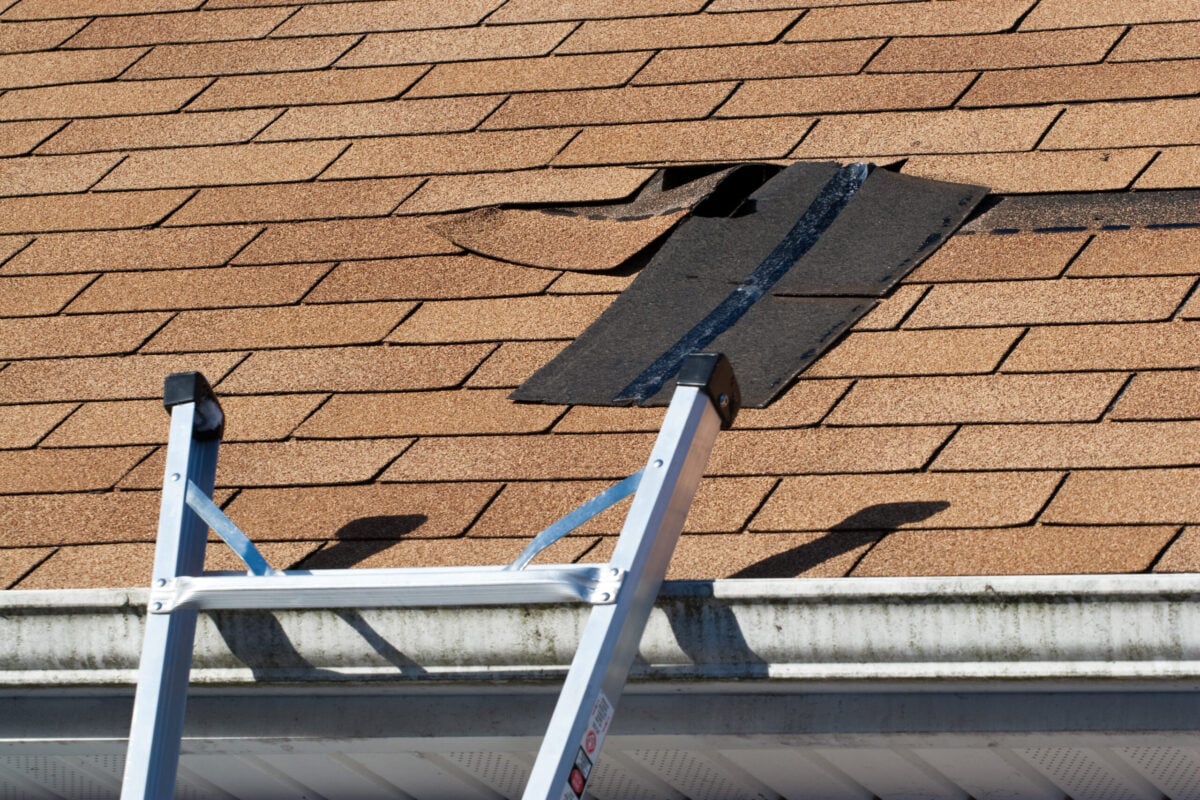
Having the right tools can make the search for a leak more straightforward and efficient. These tools are commonly used by homeowners and professionals alike.
- Flashlight: Vital for inspecting dark attics and roof spaces for signs of moisture.
- Binoculars: Allows you to safely examine the roof surface and flashing from the ground.
- Ladder: Ensure a sturdy, properly sized ladder for accessing the roof or attic safely.
- Moisture meter: Detects moisture levels behind walls or under roofing materials where leaks might not be visible.
- Garden hose: Used for water testing to simulate rainfall and track down leak sources.
Additional Tips
- Wear proper safety gear: Secure footwear, gloves, and a safety harness if ascending a steep roof.
- Have a partner: It is safer to conduct roof inspections with someone else in case of emergencies.
- Document findings: Take photos or notes of suspicious areas for future reference or professional consultation.
Preventing Roof Leaks: Maintenance and Repair Strategies
Beyond simply finding a leak, proactive maintenance can extend your roof’s lifespan and minimize future issues. Routine care and repairs safeguard your investment.
Regular Roof Inspections
Schedule inspections at least twice a year, ideally in spring and fall, and after severe weather events. Early detection of damage significantly reduces repair costs.
Maintain Gutters and Drainage Systems
Keep gutters clear of leaves, twigs, and other debris. Proper drainage prevents water from pooling on or near your roof, limiting leak risks.
Trim Overhanging Trees
Branches rubbing against shingles can cause wear and enable water to seep in. Trim trees back to prevent damage during wind or storms.
Address Roof Damage Promptly
Even minor issues such as cracked tiles or loose flashing should be repaired quickly to avoid escalating leaks and interior damage.
Use Quality Roofing Materials
Invest in durable materials and professional installation to ensure your roof withstands weather conditions and time.
When to Call Professionals for Roof Leak Detection and Repair

While some minor leaks can be located and fixed by homeowners, there are times when expert assistance is necessary. Roofing professionals bring experience, specialized tools, and safety equipment to handle more complex situations.
Signs You Need Professional Help
- Leaks persist despite your inspection and minor repairs
- The roof is steep, large, or difficult to access safely
- Visible structural damage or extensive water stains inside your home
- Mold or mildew has developed extensively
Benefits of Hiring Experts
- Accurate diagnosis: Professionals can identify hard-to-spot leaks and underlying issues.
- Safe repair: Experts use proper safety measures to minimize risk.
- Long-lasting solutions: Licensed contractors provide quality repairs backed by warranties.
- Comprehensive service: Assistance with storm damage restoration and insurance claims if necessary.
For reliable roof leak detection and repair in your area, consider contacting specialists who handle storm damage and restoration to protect your home effectively.
Tackling Roof Leaks: The Next Step
Understanding how to find a roof leak empowers you to address problems quickly and minimize damage. Regular inspections, the right tools, and a methodical approach will help you detect leaks early. Don’t forget the value of preventive maintenance and knowing when to reach out for professional assistance. If you suspect storm-related damage or need expert roof repair services, please contact us today to schedule an evaluation and keep your home safe and dry.